
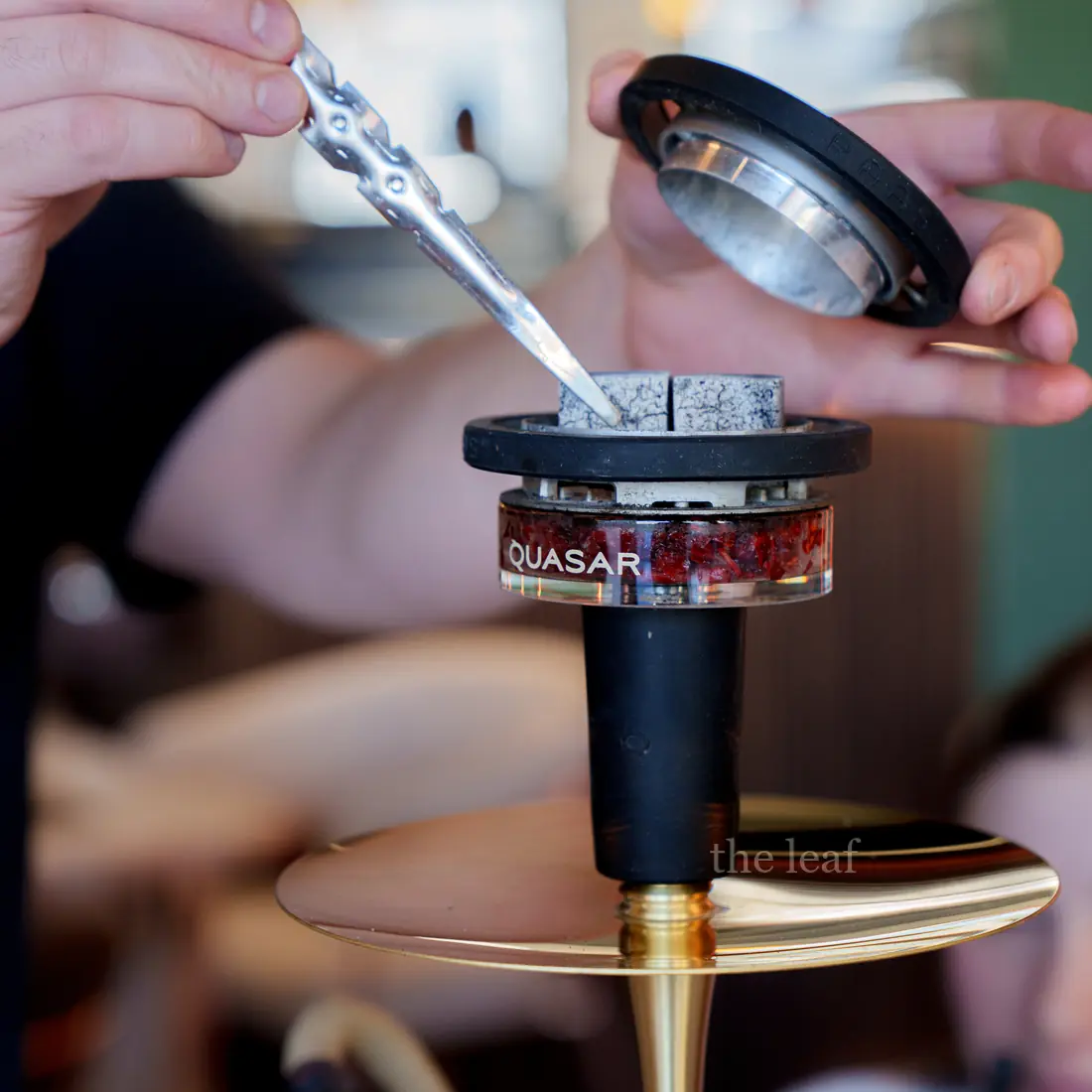
Phunnel, multi-hole, vortex, clay and silicone bowls: these terms do not all describe the same thing. A bowl’s shape and its material are separate characteristics. Keeping the two apart makes different models much easier to compare.
Start with the shape: multi-hole, phunnel or vortex
A traditional multi-hole bowl has several small openings in the base of the reservoir. Their number and size, as well as the depth and material of the bowl, vary by model. This is a straightforward and widely used design, although the small holes need some attention during cleaning. A phunnel has one raised opening in the centre, with the reservoir running around it. This helps keep liquid in the bowl. The central opening must remain clear, and not every heat-management accessory fits every size. A vortex also has a raised centre, but distributes the airflow through several smaller openings around its sides. It therefore combines features of multi-hole and phunnel bowls, although it is less common and accessory compatibility depends more heavily on the particular model.
Making sense of other names
Chinahead, traditional or “tradi” bowls and power bowls are not necessarily separate basic shapes. A Chinahead is usually a simple multi-hole bowl. “Tradi” describes a traditionally designed bowl, often made from clay or ceramic. Different manufacturers use “power bowl” for their own modified shapes. It is therefore more useful to examine the reservoir, hole pattern and position of the air openings than to rely on the product name alone.
Next, consider the material
Clay, stoneware and other ceramic materials are particularly common. Wall thickness, composition, firing and shape all affect how a bowl absorbs and distributes heat. Glass has a smooth, non-porous surface that is generally easy to clean, but it needs protection from knocks and sudden, extreme changes in temperature. Silicone is light and durable; depending on the model, a bowl may be made entirely from silicone or combine it with an insert. Its heat behaviour will differ from clay or stoneware. Two bowls with the same shape can therefore perform differently when they are made from different materials.
Glazed or unglazed?
A glaze creates a sealed surface over a ceramic bowl. This can make cleaning easier and stops liquid from soaking directly into the surface. Unglazed models do not have this additional layer and, depending on the material, may need more attention during use and care. Neither option is universally better; they are simply different kinds of surface.
Which bowl suits which setup?
There is no single bowl that is best for everyone. Compare the shape first, then the material. A multi-hole bowl offers a traditional layout, a phunnel has a raised opening, and a vortex distributes airflow through several raised side openings. Then check the size, compatible accessories and care instructions for the specific model. Shape and product name alone are not enough to tell you whether a bowl will suit your setup.